


No pet parent wants to hear that their dog has cancer. If your dog has been diagnosed with lung cancer, you may be filled with questions. What causes lung cancer in dogs? Can dogs recover from lung cancer? Here's the basic information about this type of cancer in dogs to help you better understand the path forward.
How is Lung Cancer Classified?
So, what causes lung cancer in dogs? There's no straightforward answer. Lung cancer may arise from a variety of environmental and genetic risk factors, one of which is age. Lung cancer in dogs is divided into two broad categories: primary lung cancer (which means the cancer started in the lungs) and metastatic lung cancer (which means the cancer spread from another part of the body to the lungs).
Primary Lung Cancer
Primary lung tumors are rare in dogs, with adenocarcinoma being the most common type. According to the Merck Manual, most primary lung cancer is diagnosed in older dogs between 10 and 12 years of age. There's no breed or sex predisposition. About 80% of primary lung tumors in dogs are malignant and regrow after treatment or spread to other parts of the body, including the lymph nodes, bones, brain and other parts of the lungs. Coughing is a common sign of primary lung cancer.
Metastatic Lung Cancer
Metastatic lung cancer is more common in dogs than primary lung cancer. Cancer often spreads to the lungs because all the blood in the body goes through the lungs, and blood can carry cancer cells. The lymphatic system or tumor cells in other organs near the lungs can also spread metastatic lung cancer. Can dogs recover from lung cancer if it's metastatic? Because cancer typically spreads to the lungs in late-stage cancer, unfortunately, the answer is usually no.

What Are the Signs of Lung Cancer in Dogs?
Coughing is one of the most common signs of primary lung cancer due to a tumor pressing on and irritating airways. Dogs with metastatic lung cancer may also develop a cough but not always. In some cases, your dog may show no signs at all. Other signs of lung cancer can include:
- Difficulty breathing
- Panting
- Coughing up blood
- Weight loss
- Decreased appetite
- Lethargy
- Fever
- Signs associated with cancer in other parts of the body, including increased thirst and urination and lameness due to bone cancer
Seek veterinary care if your dog exhibits any of these signs. While they may indicate lung cancer, many conditions can share the signs of lung cancer. Your veterinarian can help determine your dog's condition so you can get the best available care for them.


Tasty Tips
How Is Lung Cancer in Dogs Diagnosed?
Your vet will use several tools to determine whether your dog's signs are caused by lung cancer or something else. They'll likely ask you about your dog's history and conduct a full physical examination, including listening to their heart and lungs and taking vitals (heart rate, respiratory rate and body temperature). They'll likely use one or more diagnostic tools to further determine the cause of your dog's condition. These often include:
- Chest radiographs (X-rays)
- Blood and urine tests, including heartworm testing and clotting profiles
- Fecal testing for parasites
Your vet may order additional tests depending on the initial results. These may include advanced imaging with abdominal ultrasound, computed tomography (CT), magnetic resonance imaging (MRI), and chest taps or tissue biopsies for samples to send to the lab.
Can Dogs Recover From Lung Cancer?
Can dogs recover from lung cancer with the right treatment? Recovery from lung cancer depends on several factors:
- Whether the tumor is primary or metastatic
- Whether the tumor can be removed surgically or treated with chemotherapy
- Whether the cancer has spread to other parts of the body
- Your dog's age and health
Treatment
Generally speaking, surgical removal is the best treatment for primary lung cancer. Typically, the entire lung lobe is removed, along with the regional lymph nodes. Dogs typically tolerate surgery well, with minimal pain following surgery and a quick recovery. Follow-up chemotherapy may also be recommended if your dog has high-grade cancer or if the cancer has spread to the lymph nodes.
After surgery, follow-up radiographs (X-rays) of the chest are recommended every three months to help ensure the cancer doesn't come back. According to Lap of Love, dogs who receive treatment for primary lung cancer have a median survival time of 12 to 16 months following treatment, provided they're otherwise healthy, the cancer is low-grade and it hasn't spread. The University of Florida College of Veterinary Medicine explains that dogs with high-grade tumors only survive for three months on average, even with surgical treatment.
Again, the prognosis for dogs with metastatic lung cancer is poor, since cancer usually only spreads to the lungs in late, end-stage cancer. Surgery and other treatment are generally not recommended. At this point, dogs are usually referred for palliative care so they can live out the rest of their lives with minimal discomfort.
Can Lung Cancer in Dogs Be Prevented?
The best way to reduce your dog's risk of lung cancer is to equip them with a healthy lifestyle. This can include:
- Reducing your dog's exposure to secondhand smoke
- Feeding them a high-quality complete and balanced meal plan
- Providing your dog with regular exercise, love and fresh air
- Taking them in for annual veterinary visits that focus on preventive and wellness care
- Spaying female dogs to reduce the risk of metastatic breast cancer
Any dog who's diagnosed with lung cancer needs your love and veterinary attention. Fortunately, with new advances in science, many types of cancer can be caught early and treated. With the right intervention, many dogs can survive cancer and go on to live healthy, happy lives.

Related products

Mature Adult Dog Food
Hill's Science Plan Mature Adult Wet Dog Food with Chicken is a complete premium pet food for mature dogs from 7 year. This deliciously smooth minced chicken loaf is formulated to deliver the appropriate amount of energy to support the needs of adult dogs.
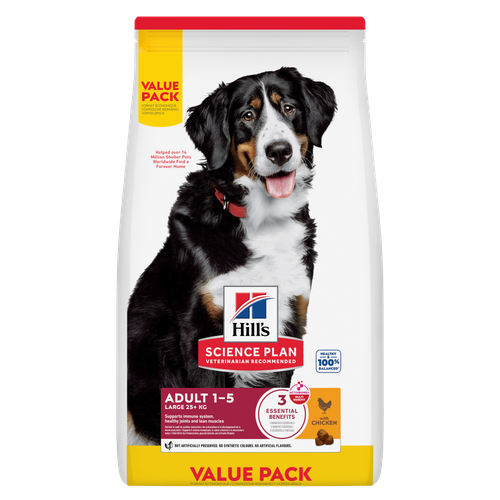
Large Breed Adult Dog Food
Hill's Science Plan Large Breed Adult Dog Food with Chicken is a complete pet food, specially formulated with ActivBiome+ Multi-Benefit Technology.
This food is specifically designed to fuel the energy needs of large breed dogs during the prime of their life.
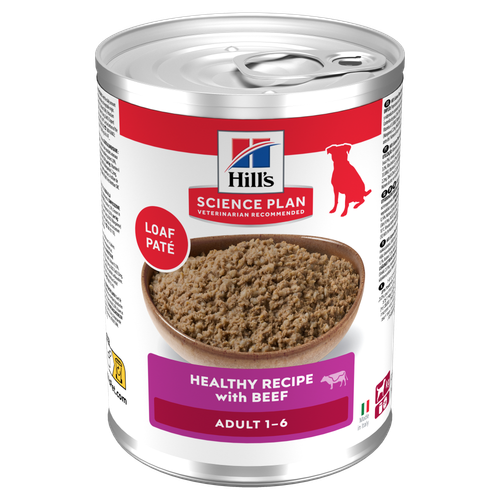
Adult Dog Food
Hill's Science Plan Adult Wet Dog Food with Beef is a complete premium pet food for adult dogs from 1 year. This deliciously smooth minced beef loaf is formulated to deliver the appropriate amount of energy to support the needs of adult dogs.
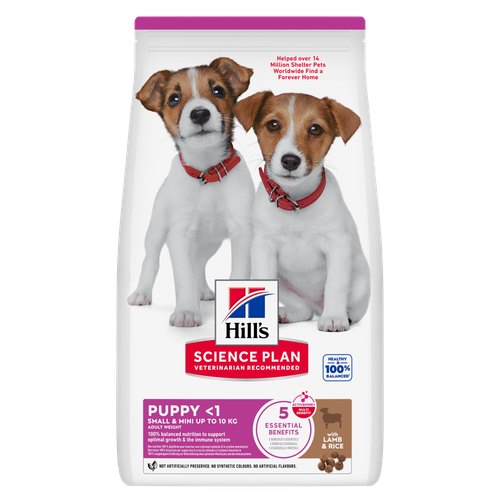
Small & Mini Puppy Food
Hill's Science Plan Puppy Small & Mini Breed Dog Food with Lamb & Rice is a complete pet food, specially formulated with ActivBiome+ Multi-Benefit Technology.
100% balanced nutrition to support optimal growth & the immune system.
Related articles

Help, my Pet has an Upset Stomach!
Learn to see the signs of an upset stomach in your dog, understand the triggers and explore some possible solutions.
What should I do about my overweight dog?
Dog obesity is a significant problem - learn more about helping your dog become trimmer and healthier through improved nutrition.
Dog teeth cleaning – our 4 tips to keep your dog’s teeth healthy
Like us, it’s essential to keep your dog’s teeth clean and healthy. So we’re giving you our 4 top tips to help you do just that.
Dealing with dog fleas
Few things can be quite as frustrating to a dog owner as dog fleas.

Put your dog on a diet without them knowing
Our low calorie formula helps you control your dog's weight. It's packed with high-quality protein for building lean muscles, and made with purposeful ingredients for a flavorful, nutritious meal. Clinically proven antioxidants, Vitamin C+E, help promote a healthy immune system.
Put your dog on a diet without them knowing
Our low calorie formula helps you control your dog's weight. It's packed with high-quality protein for building lean muscles, and made with purposeful ingredients for a flavorful, nutritious meal. Clinically proven antioxidants, Vitamin C+E, help promote a healthy immune system.