
Digestive health for cats
Digestive health for cats
What are cat digestive issues?
A digestive (or GI) disorder is any health situation that prevents your cat from properly digesting food, or alters the rate that food passes through their digestive tract. Don't ignore the signs! If your furry friend is showing symptoms of digestive disorders, seek immediate advice from your veterinarian.

Signs your cat may have a digestive issue
The most common signs of cat stomach problems and digestive disorders are soft stools or diarrhoea. You may also notice some or all of the following signs in your cat.

Signs your cat may have a digestive issue
The most common signs of cat stomach problems and digestive disorders are soft stools or diarrhoea. You may also notice some or all of the following signs in your cat.
Digestive upsets can happen for a variety of reasons, and all of them can make your cat feel under the weather. Remember, that diarrhoea can be difficult to spot in cats that toilet outside. If you suspect your cat is having issues it’s worth providing a litter tray so that you can see what’s going on. Below are some of the more common digestive problems we see in cats.

First, if you suspect your cat is suffering from a digestive disorder, talk to your vet about treatments that may be able to help. You can further help your cat by helping reduce the amount of stress triggers in their environment with some of these suggestions.

Stick with a routine
Changes to your furry friend’s environment or routine can lead to GI upset. Providing your cat with a calm, safe environment – as well as some regular playtime – can help your cat’s anxiety.

Protecting against fleas and worms
Parasites like roundworms and hookworms can caus GI issues, so if your cat tends to explore the outdoos, make sure they have the proper preventative care.

Consider their nutrition
Foods made with highly digestible ingredients can be gentle on upset tummies. Ask your veterinarian about switching your cat’s food and how to do it without upsetting your cat’s stomach any further.
First, if you suspect your cat is suffering from a digestive disorder, talk to your vet about treatments that may be able to help. You can further help your cat by helping reduce the amount of stress triggers in their environment with some of these suggestions.
Stick with a routine
Changes to your furry friend’s environment or routine can lead to GI upset. Providing your cat with a calm, safe environment – as well as some regular playtime – can help your cat’s anxiety.
Protecting against fleas and worms
Parasites like roundworms and hookworms can caus GI issues, so if your cat tends to explore the outdoos, make sure they have the proper preventative care.
Consider their nutrition
Foods made with highly digestible ingredients can be gentle on upset tummies. Ask your veterinarian about switching your cat’s food and how to do it without upsetting your cat’s stomach any further.
Recommended products for cats with digestive issues
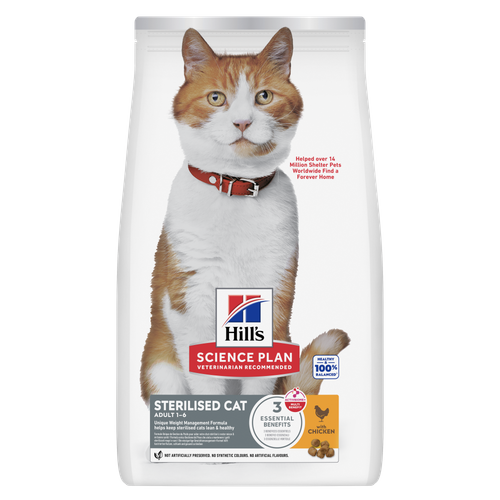
Sterilised Adult Cat Food
Hill's Science Plan Adult Sterilised Cat Dry Food with Chicken is specially formulated with ActivBiome+ Multi-Benefit Technology. It is a precisely balanced nutrition, tailored to meet the needs of sterilised cats, to help keep sthem lean & healthy.
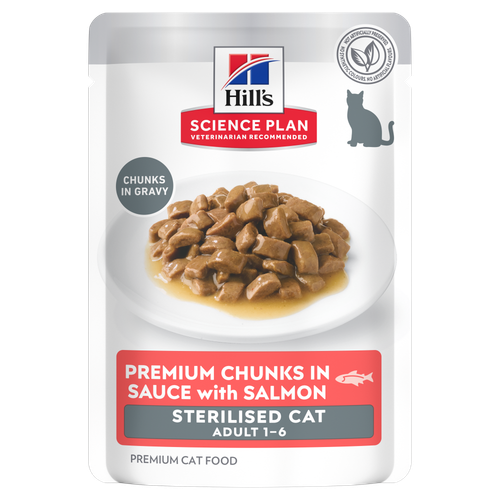
Sterilised Adult Cat Food
Hill's Science Plan Sterilised Adult Cat Premium Chunks in Sauce with Salmon is a complete pet food for sterilised cats 1–6 years old
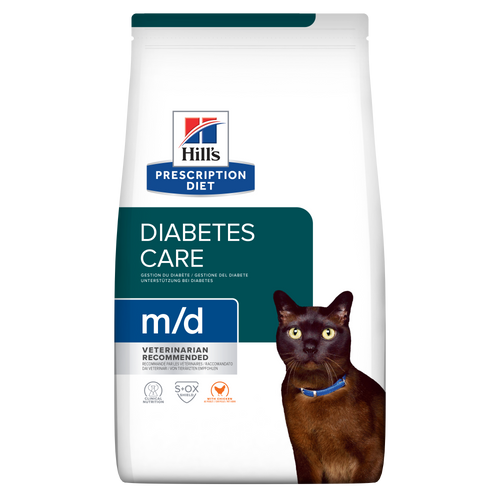
m/d Cat Food
Clinical nutrition formulated to help cats lose weight and regulate blood sugar
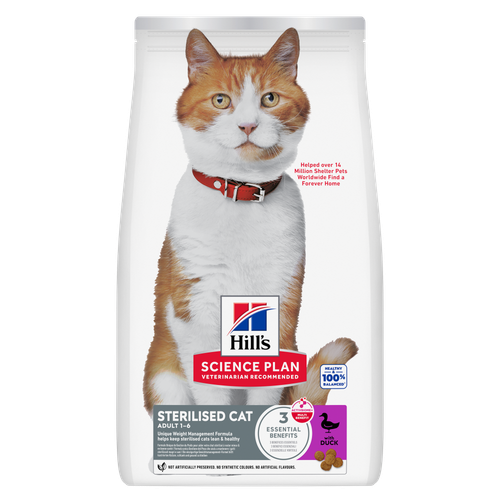
Sterilised Adult Cat Food
Hill's Science Plan Adult Sterilised Cat Dry Food with Duck is specially formulated with ActivBiome+ Multi-Benefit Technology. It is a precisely balanced nutrition, tailored to meet the needs of sterilised cats, to help keep sthem lean & healthy.
Related articles

Keep Your Cat Healthy by Avoiding These Mistakes
With all the different brands and formulations available, buying cat food and cat treats can seem like an overwhelming task at times.

How to Choose the Right Cat Nutrition for Your Cat
Choosing cat nutrition and the healthiest food for your cat can be difficult.

Kittens Need Proper Nutrition From The Word Go
Human babies need specific foods to help them grow strong and kittens need special kitten food to help them grow and develop normally.

The Downside of Free-Feeding Your Cat
Understand the dangers of free-feeding your cat and learn how proper feeding methods can help promote a healthier, higher quality of life for your cat.