


If your dog is slowing down, acting tired, or refusing to play like they used to, chances are they are not simply being lazy. Pets who act lethargic or show signs of exercise intolerance may have a serious underlying condition. In particular, this may be caused by a serious condition like heart disease. If your dog is acting lethargic or is simply less active than usual, it's important to pay attention to these cues. Keep reading to understand why your dog might be exercise-intolerant and what you should do about it.
Possible Causes of Lethargy
 It's normal for some dogs to slow down a bit after heavy activity. For example, your dog may want to spend a day or two sleeping more than usual following a long day at the dog park or a rigorous hike. However, prolonged tiredness should not be ignored. Exercise intolerance is only one red flag for major issues like heart disease, but it could also signal a host of other problems, ranging from mild issues, such as muscle pain, to serious conditions like congestive heart failure. Vets Now lists several potential reasons why your dog is acting lethargic:
- Infection or illness, including parvovirus or kennel cough
- Heart problems
- Liver problems
- Diabetes or hypoglycemia
- Hypothyroidism
- Parasites
- Side effects of medication
- Poisoning or trauma
The walking service and dog advice site, Wag!, adds that exercise intolerance in combination with other symptoms—such as a lack of appetite, coughing, or fainting—could also be a sign of pulmonary hypertension (high blood pressure in the lungs) or other cardiovascular disease.
Signs of Exercise Intolerance and Lethargy in Dogs
It's usually fairly easy to tell if your dog is acting sluggish. Excessive sleep, low energy, lack of excitement, and delayed responses are all overt signs of a lethargic dog, says Vetinfo. Exercise intolerance can be harder to spot, especially if you don't walk or play with your dog regularly. In milder cases, says Wag!, your pooch may simply not want to walk as far or play as much as normal. Coughing, heavy panting, or laboured breathing following physical activity might also signal exercise intolerance. Extreme cases might involve confusion, disorientation, a lapse in toilet training, a rise in body temperature, wobbliness, and even collapse.


Tasty Tips
What You Should Do to Help
If you notice that your dog is acting lethargic or isn't tolerating their usual levels of exercise, it's important not to force them to run. Follow their cues, and allow them to stop playing or cut their walk short if necessary. Keep a close eye on them, watching for other serious symptoms. If you notice any other worrisome behaviours, you should contact your veterinarian right away. If your dog doesn't show any other symptoms, wait a day or two. If your pup's energy doesn't improve or their condition worsens, contact your vet. That being said, if they show extreme symptoms, such as fainting or collapse, get them to an emergency clinic immediately.
Diagnosing Your Dog

Once at the vet, your dog will be thoroughly examined. The vet will likely look for any signs of lameness, injury, or pain, as well as any possible tumours. He or she will also perform blood and urine tests to check for underlying health conditions. It's likely that your pup will also be hooked up to an electrocardiograph machine to check the electrical activity of their heart, and will be given chest x-rays to examine their heart and lungs. Your vet might also recommend an ultrasound, CT scan, or MRI to help diagnose your pup's condition. You can help achieve a proper diagnosis by providing your vet with a list of any medications your dog takes, talking over the details about their diet and lifestyle, and mentioning any other symptoms or changes you've noticed in your pup.
What to Do After Diagnosis
Lethargy and exercise intolerance are symptoms of a problem, not a condition by themselves. The type of care your dog needs will depend on the condition with which they are diagnosed. Depending on the vet's assessment, your pooch might recover and return to their former levels of activity. However, heart disease in dogs, as well as other progressive illnesses, may require changes in exercise and activity for the rest of their life. Talk to your vet about your pup's condition and how much physical activity they can safely handle.
Alternatives to Exercise
If your dog is restricted from vigorous activity and exercise, it can be a challenge to control their weight. Because excess weight can exacerbate some ailments, this is a challenge that must be addressed. Depending on your pup's diagnosis and treatment plan, your vet might place them on a special prescription meal plan that's appropriate to their condition. Otherwise, talk to your vet about placing them on weight control dog food that can help them keep off the "puppy fat" in the absence of exercise. Making sure your dog is eating an age-appropriate dog food can also help manage their weight. Proper nutrition is also vital. If your dog is not receiving the right nutrients they need to keep their energy levels up, this could be a contributing factor to their lethargy. Be sure to talk to your vet about overall food recommendations even if they do not need a specific condition-based dog food.
Age Considerations
Of course, it's normal for dogs to slow down a bit as they get older. Joint problems, weight gain, and simply growing more tired with age are all factors that could cause an older dog to be less active. But older dogs are also more susceptible to the types of illnesses that cause lethargy and exercise intolerance; regardless of your dog's age, if they are noticeably more tired than usual, it's important not to chalk it up to just being a senior. These are potential red flags that should never be ignored.
A dog's activity level can be a strong indicator of their health. That's why as a pet parent, it's important to pay close attention to what's normal for your pooch so that you'll be able to recognise when they are not acting quite like themselves. If you're not in the habit of routinely playing with or walking your dog, start now so that you'll be familiar with their normal level of activity. By acting quickly when your dog is acting lethargic, you could help catch a serious illness in its early stages and improve your pet's chances of continuing to live a healthy, happy life.

Related products
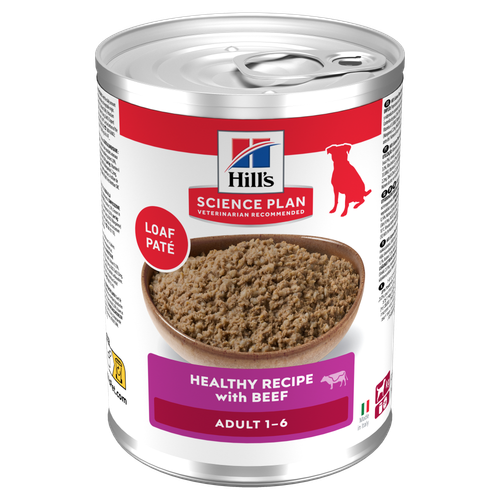
Adult Dog Food
Hill's Science Plan Adult Wet Dog Food with Beef is a complete premium pet food for adult dogs from 1 year. This deliciously smooth minced beef loaf is formulated to deliver the appropriate amount of energy to support the needs of adult dogs.
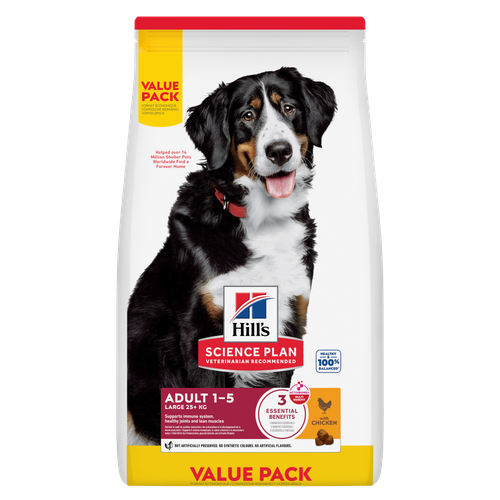
Large Breed Adult Dog Food
Hill's Science Plan Large Breed Adult Dog Food with Chicken is a complete pet food, specially formulated with ActivBiome+ Multi-Benefit Technology.
This food is specifically designed to fuel the energy needs of large breed dogs during the prime of their life.

Mature Adult Dog Food
Hill's Science Plan Mature Adult Wet Dog Food with Chicken is a complete premium pet food for mature dogs from 7 year. This deliciously smooth minced chicken loaf is formulated to deliver the appropriate amount of energy to support the needs of adult dogs.
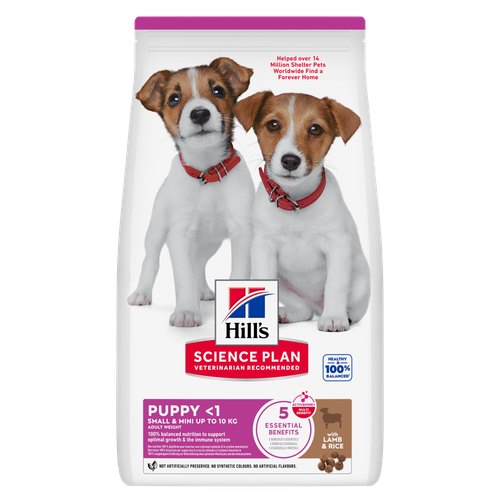
Small & Mini Puppy Food
Hill's Science Plan Puppy Small & Mini Breed Dog Food with Lamb & Rice is a complete pet food, specially formulated with ActivBiome+ Multi-Benefit Technology.
100% balanced nutrition to support optimal growth & the immune system.
Related articles

Help, my Pet has an Upset Stomach!
Learn to see the signs of an upset stomach in your dog, understand the triggers and explore some possible solutions.
What should I do about my overweight dog?
Dog obesity is a significant problem - learn more about helping your dog become trimmer and healthier through improved nutrition.
Dog teeth cleaning – our 4 tips to keep your dog’s teeth healthy
Like us, it’s essential to keep your dog’s teeth clean and healthy. So we’re giving you our 4 top tips to help you do just that.
Dealing with dog fleas
Few things can be quite as frustrating to a dog owner as dog fleas.

Put your dog on a diet without them knowing
Our low calorie formula helps you control your dog's weight. It's packed with high-quality protein for building lean muscles, and made with purposeful ingredients for a flavorful, nutritious meal. Clinically proven antioxidants, Vitamin C+E, help promote a healthy immune system.
Put your dog on a diet without them knowing
Our low calorie formula helps you control your dog's weight. It's packed with high-quality protein for building lean muscles, and made with purposeful ingredients for a flavorful, nutritious meal. Clinically proven antioxidants, Vitamin C+E, help promote a healthy immune system.