


Puppy development involves many stages and milestones as puppies grow into adulthood. Whether you're wondering when your puppy will calm down and stop chewing on everything, or you're simply curious about what puppies go through to become grown dogs, this comprehensive puppy timeline has the answers you're looking for.
1. When Puppies Open Their Eyes and Ears
Puppies are born with their eyes and ears sealed shut, experiencing the world entirely through touch and smell for the first two weeks. According to the PDSA puppy eyes open at around 10-12 days, followed by their ear canals at 14-16 days, giving tiny pups a whole new way to experience life.
2. When Puppies Learn to Bark
Once puppies are able to hear, they begin to mimic the sounds they hear from their mother. After their ears open, it doesn't take long for puppies to go from soft grunts to full-fledged whining and barking.

3. When Puppies Learn to Walk
Puppies begin to stand around the same time their senses develop. By the third week, they start taking their first clumsy steps, gaining a new sense of independence.
4. When Puppies Learn to Play
Once puppies are mobile, it’s not long before they’re scampering around and playing with their littermates. Three weeks of age marks the beginning of the crucial socialisation stage, where pups learn from their mum and siblings what it means to be a dog.
5. When Puppy Teeth Come In
The third week is a big week in the puppy timeline. In addition to the other puppy development milestones mentioned above, those sharp little puppy teeth start to erupt. By week eight, they typically have their entire set of deciduous teeth (puppy teeth).
6. When Puppies Start Eating Solid Food
While puppies may start trying to sample their mum's solid food as soon as their teeth start coming in, it’s not until the fourth week that the mother's milk production starts to slow down, and pups begin the transition to solid puppy food. This weaning process typically takes about four weeks, and puppies are fully weaned by week eight.
7. When Puppies Begin to Like People
The fourth week in the puppy timeline is also when puppies begin forming emotional attachments and bonds with the people around them. While it’s still too early to separate a pup from their mother and littermates, this is a great time to start getting to know the puppy you intend to adopt.
8. When Puppies Need to Be Socialised
Although puppies start learning about the world and the social order within their litter by week three, weeks four to twelve make up a crucial window for socialisation. What they learn during this period will determine whether a pup grows into a well- adjusted dog or one with emotional and behavioural problems.
The earlier in this stage of development that puppies can start meeting new people, interacting with other pets, exploring the world, and gaining new and positive experiences, the better. (Make sure any puppy pals are also vaccinated and have gone through their vet checks to avoid exposing your puppy to illnesses.)
9. When Puppies Need to Be Vaccinated
According to the RSPCA, puppies typically receive vaccinations between eight and ten weeks. By the time a puppy is ready to be adopted, they should already be vaccinated for kennel cough, distemper, parvovirus, leptospirosis, and parainfluenza. A pup will be ready for their next round of vaccinations between two to four weeks later, with some booster vaccines required at six to twelve months. Your veterinarian can advise you on the best vaccination schedule for your pup.


Tasty Tips
10. When Puppies Can Start Being House-Trained
At weeks three to four, pups start to develop control over their bladder and bowel movements and learn to leave their sleeping area before relieving themselves. By week seven, says Dogtime, a puppy has developed the physical coordination and muscle control necessary to begin house-training.
Accidents are still likely, but as their muscles continue to develop and they gain new neural pathways, they will better understand how and where to properly relieve themselves.
11. When Puppies Are Ready to Adopt
Once puppies are fully weaned at week eight, they're ready to leave their canine birth family and go to their new homes. This can be a delicate time. While a pup this age is still within the time frame of readily accepting new family members and new experiences, they're also shifting into a fear stage that can last until about week twelve. Puppies at this age need a lot of reassurance and positivity to keep from becoming anxious adults.
12. When Puppies Are Ready for Obedience Training

By week nine, after they’ve had a chance to settle into their new home and form a bond with their new family, a pup is ready to begin basic obedience training. Some pet owners are reluctant to enrol their puppy in classes before they’re fully vaccinated, but it’s important not to let the pup miss out on this crucial socialisation window. The Blue Cross recommends choosing a training class with a small group size, where interaction between puppies is closely controlled. Make sure to check with your pup's veterinarian to get their opinion first.
13. When Puppies Learn Their Place in the Household
At week twelve, a puppy's dominance and submission instincts start coming to the fore, and they start to figure out where they fit in the social order of the household. At this point, the fear stage gives way to curiosity as they become more independent and assertive. Now, they need plenty of reassurance from their loved ones. Usually, pups are secure about their place in the family by about six months of age.
14. When Teething and Chewing Begins
Adult teeth start coming in between three and six months of age, which is when the dreaded chewing begins. It's important to puppy-proof the house at this stage, hiding or placing out of reach anything you don’t want to get chewed, as well as anything that might pose a choking hazard or otherwise harm the pup, such as power cords or toxic plants. Providing chew toys during this time can help prevent your puppy from satisfying their urge to chew on the living room rug or your favourite shoes.
15. When Puppies Are Ready to Be Spayed or Neutered
Puppies can be spayed or neutered between four and six months. This should be discussed with your veterinarian to understand the benefits for your puppy and the best time to schedule.
16. When Puppies Start Testing Boundaries
As adolescent pups become more independent, they may try to assert themselves, establish dominance, and stake out their territory. It’s common for pups between six and eighteen months of age to push the boundaries and challenge the authority of their human, as well as any other pets that make up their "pack."
17. When Puppies Mature and Settle Down
Puppies typically develop the emotional maturity and temperament of an adult dog between twelve and eighteen months of age, although they may continue to occasionally exhibit puppy behaviour like chewing and nipping until they’re about two years old.
Generally, by the time a pup reaches eighteen months, they have settled into their grown-up personality and fully acclimated to their place in the family. Now, this doesn't mean they won't still be a bundle of energy! This can continue for a few years depending on the dog, which is why regular exercise and training are important for them to learn appropriate behaviours.
Normal puppy development certainly comes with challenges, and more often than not, those challenges will try the patience of new puppy parents. But watching a pup grow from infancy to adulthood also comes with a multitude of rewards.

Related products
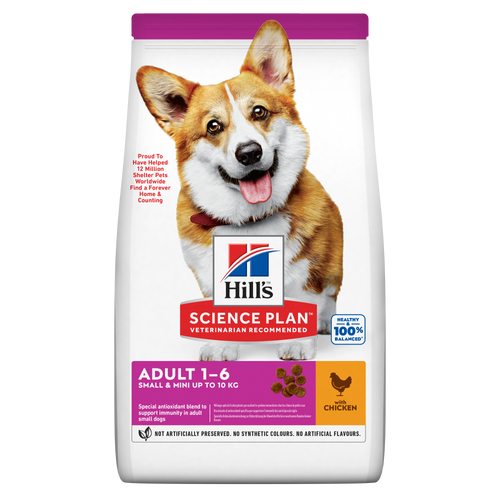
Small & Mini Adult Dog Food
Hill's Science Plan Small & Mini Adult Dog Food with Chicken is a complete pet food, specially formulated with ActivBiome+ Multi-Benefit Technology.
Tailored nutrition for the unique needs of small dogs during the prime of their life.

Small & Mini Mature Adult Dog Food
Hill's Science Plan Small & Mini Breed Mature Adult Dog Food with Chicken is a complete pet food, specially formulated with ActivBiome+ Multi-Benefit Technology.
Tailored nutrition to support graceful ageing in small dogs. Specially made with a synergistic blend of nutrients for energy & vigor.
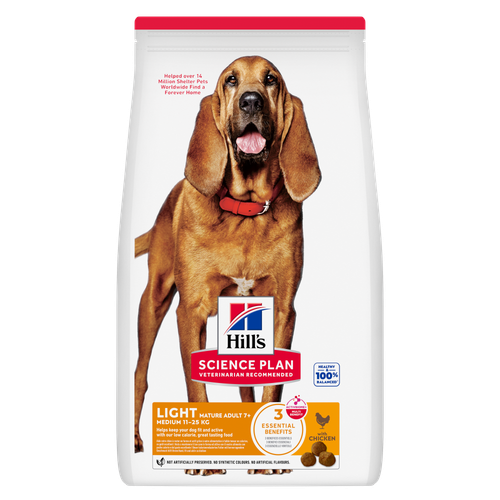
Light Medium Mature Adult Dog Food
Hill's Science Plan Light Mature Adult Medium Dog Food with Chicken is a complete pet food, specially formulated with ActivBiome+ Multi-Benefit Technology.
Helps keep your dog fit and active with our low calorie, great-tasting food.
Precise nutrition for less active mature adult dogs that require a low calorie food to help maintain a healthy weight & lifestyle.
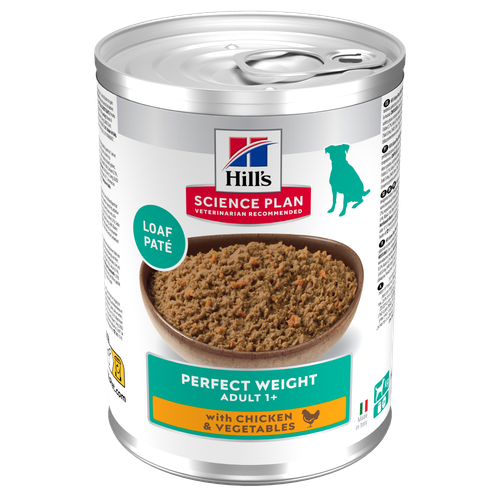
Perfect Weight Adult Dog Food with Chicken & Vegetables
Hill's Science Plan Perfect Weight Adult Dog Food with Chicken & Vegetables ia a complete premium dog food for dogs prone to weight gain or who are slightly overweight. This savoury tinned loaf is enriched with ingredients that support healthy weight maintenance & long-lasting weight support.
Related articles

Dealing with dog fleas
Few things can be quite as frustrating to a dog owner as dog fleas.
What should I do about my overweight dog?
Dog obesity is a significant problem - learn more about helping your dog become trimmer and healthier through improved nutrition.
Dog teeth cleaning – our 4 tips to keep your dog’s teeth healthy
Like us, it’s essential to keep your dog’s teeth clean and healthy. So we’re giving you our 4 top tips to help you do just that.
Help, my Pet has an Upset Stomach!
Learn to see the signs of an upset stomach in your dog, understand the triggers and explore some possible solutions.

Put your dog on a diet without them knowing
Our low calorie formula helps you control your dog's weight. It's packed with high-quality protein for building lean muscles, and made with purposeful ingredients for a flavorful, nutritious meal. Clinically proven antioxidants, Vitamin C+E, help promote a healthy immune system.
Put your dog on a diet without them knowing
Our low calorie formula helps you control your dog's weight. It's packed with high-quality protein for building lean muscles, and made with purposeful ingredients for a flavorful, nutritious meal. Clinically proven antioxidants, Vitamin C+E, help promote a healthy immune system.