
Kidney health for cats
Kidney health for cats
What is kidney disease in cats?
Chronic kidney disease (CKD) is defined as any abnormality of one or both kidneys that has been present for several months. It is a common condition, affecting about 1 of every 3 cats.1
Your cat’s kidneys play a vital role in removing metabolic wastes from the bloodstream, regulating fluid and electrolyte balance, producing or activating important hormones and helping control blood pressure. If your cat’s kidneys cannot do their job properly, CKD can eventually lead to life-threatening problems.
What causes kidney disease in cats?
The cause of CKD in cats is often unknown; however, several factors may be involved that could increase your cat’s risk of developing kidney disease & its progession:


Early detection of kidney disease in your cat
The signs of early-stage kidney disease are not visible. On diagnosis, CKD has already been present for some time. Some vet recommended cat foods for kidney disease are proven to help support and even improve your cats quality and longevity of life. Signs of late-stage kidney disease are far more noticeable to pet parents.
Signs

Signs

Nutrition for cats with kidney disease
If your cat has kidney disease, the nutrition formulated for them can help make an impact on their lives. Specially formulated clinical nutrition that contain decreased amounts of phosphorus, highly digestible protein, and increased omega-3s from fish oil have been shown to support quality and length of life in cats with CKD compared with feeding a typical pet food.
Your cat’s appetite may vary over time when they have CKD and offering different forms (dry, stews) and different flavours of an appropriate food recommended by your veterinary healthcare team can be very helpful. The single most important thing you can do is ensure any move onto a new food is done gradually, because most cats with CKD need several weeks or longer to get used to a new food.
Nutrition for cats with kidney disease
If your cat has kidney disease, the nutrition formulated for them can help make an impact on their lives. Specially formulated clinical nutrition that contain decreased amounts of phosphorus, highly digestible protein, and increased omega-3s from fish oil have been shown to support quality and length of life in cats with CKD compared with feeding a typical pet food.
Your cat’s appetite may vary over time when they have CKD and offering different forms (dry, stews) and different flavours of an appropriate food recommended by your veterinary healthcare team can be very helpful. The single most important thing you can do is ensure any move onto a new food is done gradually, because most cats with CKD need several weeks or longer to get used to a new food.
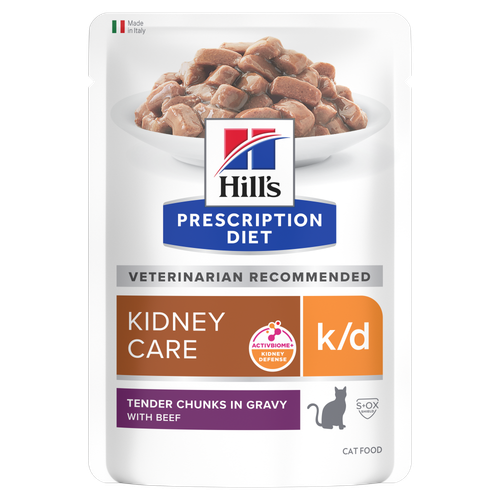
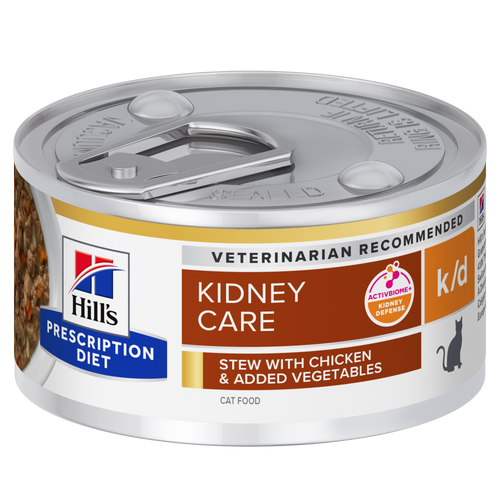
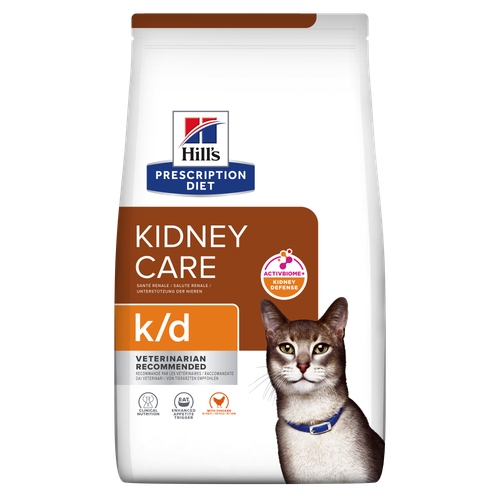
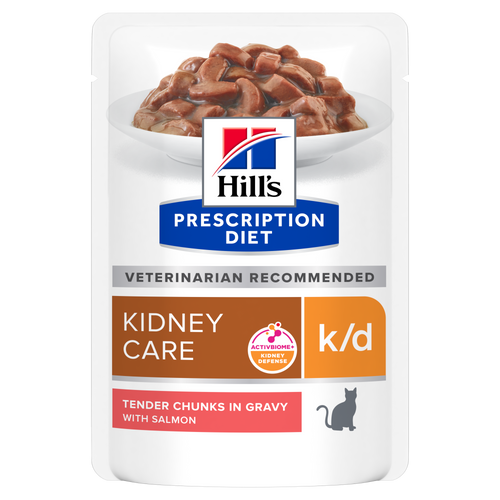
Recommended products for cats with kidney issues
Related Articles

Is your cat putting on weight?
Learn about the warning signs, symptoms, and treatments of cat obesity and weight management in cats and the conditions that affect on your cat.

Cat Eye Care: Recognizing and Preventing 6 Cat Eye Problems
Learn about common eye problems in cats, such as conjunctivitis and corneal ulcers, as well as their causes, symptoms and treatment options

Skin Problems to Watch For in Your Cat
Recognise these common skin problems that ail many cats to help keep your feline friend happy and healthy.

Home Dental Care Methods for Your Cat
Learn the importance of feline dental health, and how you can help keep their teeth and gums healthy with these cat oral healthcare home tips.
References: 1Lulich JP, Osborne CA, O’Brien TD, Polzin DJ. Feline renal failure: questions, answers, questions. Compend Contin Educ Pract Vet. 1992;14(2):127–153. Brown SA. Renal dysfunction in small animals. The Merck Veterinary Manual website.
2Brown SA. Renal dysfunction in small animals. The Merck Veterinary Manual website. 2013 [https://www.msdvetmanual.com/urinary-system/noninfectious-diseases-of-the-urinary-system-in-small-animals/renal-dysfunction-in-small-animals].
3Hill’s Clinical Evidence Report Nourishing the gut microbiome helps support kidney health in cats and dogs with chronic kidney disease. 2023.