


Can cats have Down Syndrome? Veterinarians hear this question more often than you might think. People typically ask it when their cat seems to look and behave abnormally, in a manner that resembles Down Syndrome.
Cats with unusual facial features and certain behavioural abnormalities have become popular in social media circles. Claiming they have a ""Down Syndrome cat,"" some pet parents created social media accounts for them, thereby advancing the belief that Down Syndrome can occur in cats.
Can Cats Have Down Syndrome?
Internet buzz notwithstanding, cats don't develop Down Syndrome. In fact, they can't.
First, a bit about Down Syndrome: In the UK, about 750 babies are born with Down's syndrome every year and there are an estimated 40,000 people in the country living with the condition says the BBC News. It occurs when the developing fetus's genetic material is copied incorrectly, resulting in an extra chromosome 21 (or a partial chromosome 21). This condition is also called trisomy 21.
Essentially, chromosomes organise the DNA in each cell into bundles, helping cells to pass on this genetic material when they divide. An extra chromosome 21 (or partial chromosome 21) causes a variety of birth defects that give people with Down Syndrome their shared physical traits.
According to the National Down Syndrome Society, people with Down Syndrome tend to share some or all of the following traits:
- Low muscle tone
- Small stature
- An upward slant to the eyes
- A single, deep crease across the centre of the palm
It's important to note that people with Down Syndrome do not all look the same.
Why Down Syndrome Cats Don't Exist
Humans have 23 chromosomes. Cats have 19. As such, having an extra chromosome 21 is clearly impossible for cats. But that doesn't mean cats can't occasionally have extra chromosomes.
In fact, a 1975 paper published in the American Journal of Veterinary Research identified a rare chromosomal abnormality in male cats that allows for one extra chromosome, resulting in a condition similar to Klinefelter syndrome in humans. These cats are especially noteworthy because the extra chromosome carries genetic material that affects their colouration. This condition causes these male cats to be tricoloured (""calico"" or ""tortoise-shell""), a colour pattern normally only seen in female cats.


Tasty Tips
Abnormalities That May Resemble Those of Down Syndrome
There have been some particularly noteworthy cats on Instagram that became internet sensations after their parents claimed that their cats owe their unusual appearances to extra chromosomes. It's unclear, however, whether these claims of chromosomal disease have ever been verified through genetic testing.
Despite the questionable claims and biological realities, ""feline Down Syndrome"" has become a popular term. It is important to note, however, that the veterinary community does not recognise feline Down Syndrome as a veterinary condition and, furthermore, does not advocate the transference of human conditions to animals on the basis of physical appearance or behaviour. To do so may be construed as disrespectful to people who live with these conditions.
Nonetheless, there are some physical and behavioural traits that may lead well-meaning people to mistakenly assign human conditions to cats. A so-called ""Down Syndrome cat"" typically manifests some distinctive characteristics, including:
- Broad noses
- Upturned eyes (which may be set widely apart)
- Small or unusual ears
- Low muscle tone
- Difficulty walking
- Difficulty with elimination (urination or defecation)
- Hearing or vision loss
- Heart problems
Cats With Physical and Behavioural Abnormalities
The physical features and behavioural abnormalities of so-called ""Down Syndrome cats"" are indicative of some other condition, one which may not even be genetic in origin.
The appearance and behaviour of these cats may stem from a wide variety of problems, including infections, neurological diseases, congenital abnormalities and even trauma. Cats infected in utero with the panleukopenia virus can develop several of the relevant physical and behavioural abnormalities. Further, some cats have cerebellar hypoplasia, a condition that can cause some of the behaviours and traits of these ""Down Syndrome cats.""
Cats whose mothers were exposed to certain toxins can suffer various congenital malformations affecting facial structure and the neurological system. What's more, trauma to the head and face, especially at a very young age, can cause permanent neurological damage and facial injuries that may appear to have been present since birth.
Expectations for Special Needs Cats
If your cat exhibits some behavioural and physical abnormalities, then they may be what is typically called a ""special needs cat."" Special needs cats often display many traits that might resemble, to the casual observer, those associated with Down Syndrome, even though cats cannot actually develop the condition.
Special needs cats require special care. Their pet parents must take extra care to protect them from the hazards of, for example, pools and stairs, as well as from predators and other dangers to which they're vulnerable. They may need help performing basic functions (cleaning themselves, eating and drinking, etc.) or navigating life with vision or hearing loss.
Whatever you do, be sure to enlist your veterinarian as an ally. Anyone whose cat requires special care should learn about the full range of healthcare options.

Related products
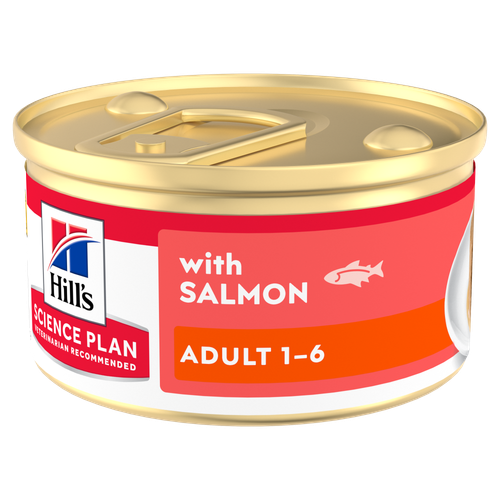
Adult Cat Food
Hill's Science Plan Adult Cat Premium Mousse with Salmon is a complete and balanced pet food for adult cats aged 1-6 years, with a deliciously smooth texture they'll love
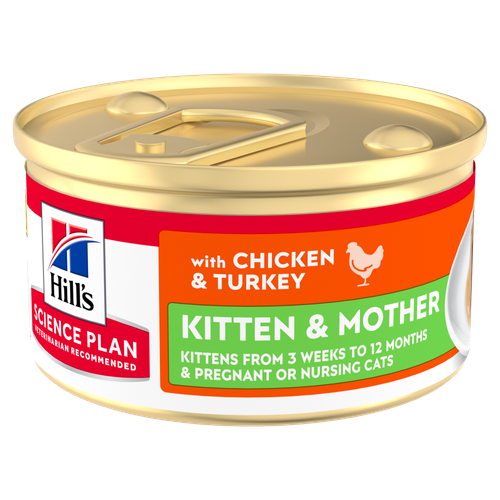
Kitten & Mother Tender Mousse Cat Food
Hill's Science Plan Kitten & Mother Tender Mousse Cat Food with Chicken & Turkey is a complete premium pet food for kittens from weaning until 1 year old and for pregnant and nursing cats. Formulated with chicken, turkey and other specially selected ingredients to support gut health and optimal growth. It comes in a soft mousse texture they'll love.
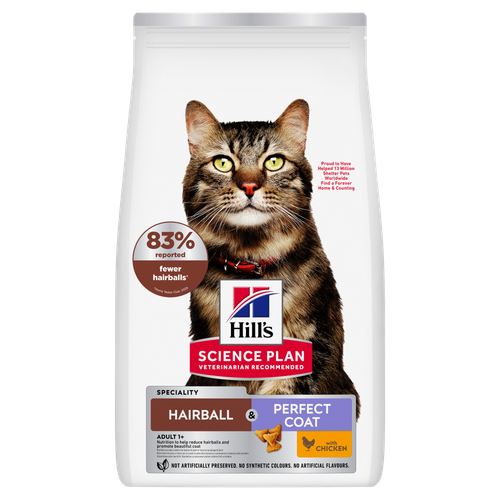
Hairball & Perfect Coat Adult Cat Food
HILL'S SCIENCE PLAN Hairball & Perfect Coat Adult cat food with Chicken was formulated to effectively help avoid hairball formation in adult cats while promoting a beautiful coat. Thanks to its mix of essential Omega-6 fatty acids, this food benefits the cat's skin and fur, mantaining them healthy and shiny. Our Advanced Fibre Technology helps reduce hairballs by naturally promoting their passage through the gut. This food is formulated with high-quality protein for a perfectly balanced, great-tasting recipe.
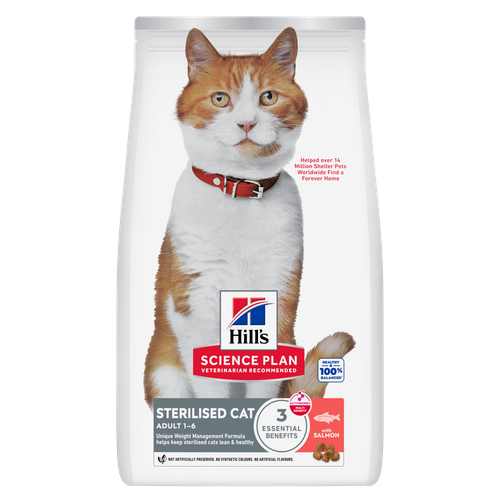
Sterilised Adult Cat Food
Hill's Science Plan Adult Sterilised Cat Dry Food with Salmon is specially formulated with ActivBiome+ Multi-Benefit Technology. It is a precisely balanced nutrition, tailored to meet the needs of sterilised cats, to help keep sthem lean & healthy.
Related articles

Cat Poo: A Comprehensive Guide
Learn how your cat's poo can be a good indicator of her overall health, including how to spot unhealthy or abnormal cat poop and what it might mean.

Is your cat putting on weight?
Learn about the warning signs, symptoms, and treatments of cat obesity and weight management in cats and the conditions that affect on your cat.

Cat Eye Care: Recognizing and Preventing 6 Cat Eye Problems
Learn about common eye problems in cats, such as conjunctivitis and corneal ulcers, as well as their causes, symptoms and treatment options

Helping a Cat with Sensitive Skin
Cats with sensitive skin have special needs and even healthy cats can sometimes develop poor skin health. Learn more about sensitive skin symptoms in your cat, what you can do to help your pet feel more comfortable and get recommendations on sensitive skin cat food.

Put your cat on a diet without them knowing
Our low calorie formula helps you control your cat's weight. It's packed with high-quality protein for building lean muscles, and made with purposeful ingredients for a flavorful, nutritious meal. Clinically proven antioxidants, Vitamin C+E, help promote a healthy immune system.
Put your cat on a diet without them knowing
Our low calorie formula helps you control your cat's weight. It's packed with high-quality protein for building lean muscles, and made with purposeful ingredients for a flavorful, nutritious meal. Clinically proven antioxidants, Vitamin C+E, help promote a healthy immune system.