


What are food allergies or food intolerance?
Food allergies/intolerance are caused by a reaction to a particular ingredient, which is usually a protein. Sometimes referred to as an ‘adverse reaction to food,’ it is defined as an abnormal response to a food or food additive. There are two classes of adverse reactions: those in which the immune system is involved (generally called food allergies); and those that occur without an immune component (generally called food intolerances).
Allergies may last a lifetime so the ingredient must be permanently removed from your cat’s food.
What causes food allergies or food intolerance?
It may take months or years before your cat develops an allergic response to a particular food. However, once allergic, they will almost always have a reaction to that food. Allergic reactions are most commonly associated with protein sources – usually the meat in your cat’s food.
Food: The most common causes of food allergies and food intolerance in cats are beef, milk products and fish.
Damage: Inflammation, infection, surgery and some medications can damage the digestive system and may lead to food allergies or food intolerance.
Age: Food allergies and food intolerance can occur at any age.
Breed: Some cat breeds appear more likely to develop food allergies or food intolerance, including Siamese cats.


Tasty Tips
Is my cat sensitive to foods?
If your cat vomits frequently, has diarrhoea, irritated skin, a poor coat condition or hair loss, then they may have a food allergy. The most common symptoms of a food allergy or food intolerance are digestive upset or skin irritation. If your cat has food allergies or food intolerance, you may notice some of the following signs:
- Vomiting or diarrhoea
- Flatulence
- Frequent scratching or hair loss
- Red, inflamed skin
- Chronic ear problems
- Poor growth in young cats
- Coughing, wheezing and sneezing

IMPORTANT: Some symptoms of food allergies or food intolerance are similar to those of other serious conditions so consult your veterinarian if you notice any of these signs.
The importance of nutrition
Food allergies or food intolerance may last a lifetime. The main goal in managing allergies or adverse reactions to food is to find and avoid the food ingredient responsible for causing the skin and/or gastrointestinal signs. If your cat suffers from food allergies, it’s even more important to feed the right cat food.
Dietary elimination trials - removing the ingredient from the food your cat eats is the most practical and accurate method of diagnosing food allergies in cats. The food your cat eats should be balanced and contain as few ingredients and additives as possible. Be mindful to remove access to all other cat food, table food, treats, snacks and chew toys while you are isolating the allergen.
If your cat has an allergic reaction to a certain meat, you may want to try a food with a protein source that is new to your cat, such as duck or venison. If this doesn’t help your cat may be allergic to these proteins and will need a food where the proteins are broken down. For accurate diagnosis and treatment options, always consult your veterinarian and ask them to recommend the best food for your cat’s food allergies
Food Allergy Questions to Ask Your Veterinarian:
- Are there any foods I should avoid giving my cat?
- Ask how human food may affect your cat’s health.
- Would you recommend a Hill’s Prescription Diet or Science Plan cat food?
- Ask about special nutritional concerns for your cat
- How much and how often you should feed the recommended food
- Discuss which treats you can feed with the recommended food
- How quickly should I expect to see signs of improvement in my cat’s condition?
- Can you provide me with written instructions or a handout on food allergies for my cat?
- What is the best way (email/phone) to reach you or your hospital if I have questions?
- Ask if you need a follow-up appointment.
- Ask if a reminder email or notice will be sent.

Related products
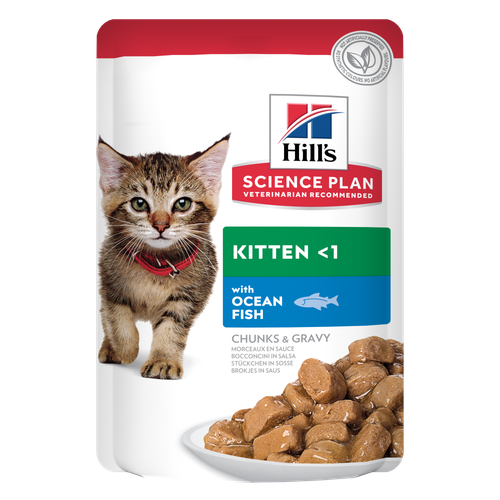
Feline Kitten
Hill's Science Plan Kitten Wet Cat Food Premium Chunks in Sauce with Ocean Fish is a complete pet food for kittens and for pregnant or nursing cats
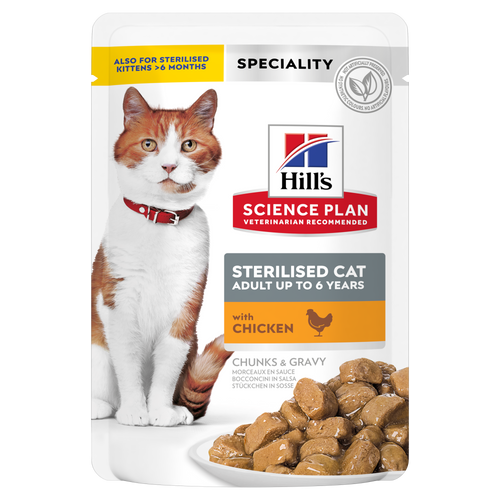
STERILISED CAT ADULT CAT FOOD
Precisely balanced nutrition with a unique weight management formula and clinically proven antioxidants to help keep neutered cats in great shape.
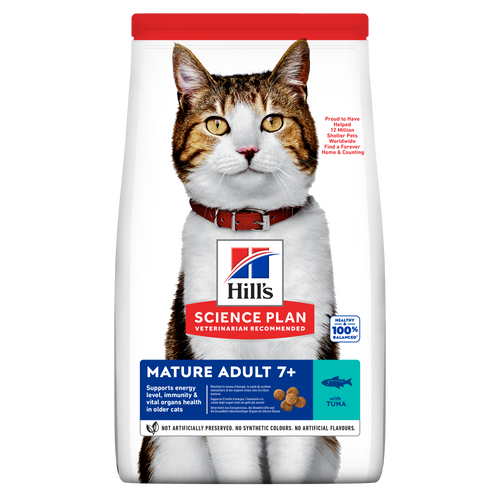
Mature Adult 7+ Cat Food
Hill's Science Plan Mature Adult Cat Food with Salmon is a complete pet food, specially formulated with ActivBiome+ Multi-Benefit Technology.
This food supports graceful aging in cats, providing a synergistic ingredient blend to help support energy & activity levels.
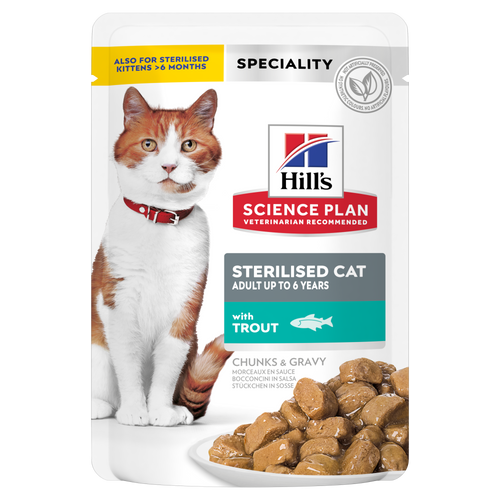
Sterilised Cat Adult Cat Food
Precisely balanced nutrition with a unique weight management formula and clinically proven antioxidants to help keep neutered cats in great shape.
Related articles

Cat Poo: A Comprehensive Guide
Learn how your cat's poo can be a good indicator of her overall health, including how to spot unhealthy or abnormal cat poop and what it might mean.

Helping a Cat with Sensitive Skin
Cats with sensitive skin have special needs and even healthy cats can sometimes develop poor skin health. Learn more about sensitive skin symptoms in your cat, what you can do to help your pet feel more comfortable and get recommendations on sensitive skin cat food.

Cat Eye Care: Recognizing and Preventing 6 Cat Eye Problems
Learn about common eye problems in cats, such as conjunctivitis and corneal ulcers, as well as their causes, symptoms and treatment options

Is your cat putting on weight?
Learn about the warning signs, symptoms, and treatments of cat obesity and weight management in cats and the conditions that affect on your cat.

Put your cat on a diet without them knowing
Our low calorie formula helps you control your cat's weight. It's packed with high-quality protein for building lean muscles, and made with purposeful ingredients for a flavorful, nutritious meal. Clinically proven antioxidants, Vitamin C+E, help promote a healthy immune system.
Put your cat on a diet without them knowing
Our low calorie formula helps you control your cat's weight. It's packed with high-quality protein for building lean muscles, and made with purposeful ingredients for a flavorful, nutritious meal. Clinically proven antioxidants, Vitamin C+E, help promote a healthy immune system.