


A lot happens during a kitten's first year. It's hard to believe that a tiny, mewing baby that fits in the palm of your hand can grow into a full-fledged adult cat in the length of only twelve months. A typical kitten growth chart shows that the most changes — and the most amazing ones — happen during the first eight weeks. Check out this kitten timeline to learn when to expect certain milestones on your kitten's journey to becoming a cat.
1 – 3 Weeks: Kittens Open Their Eyes and Ears
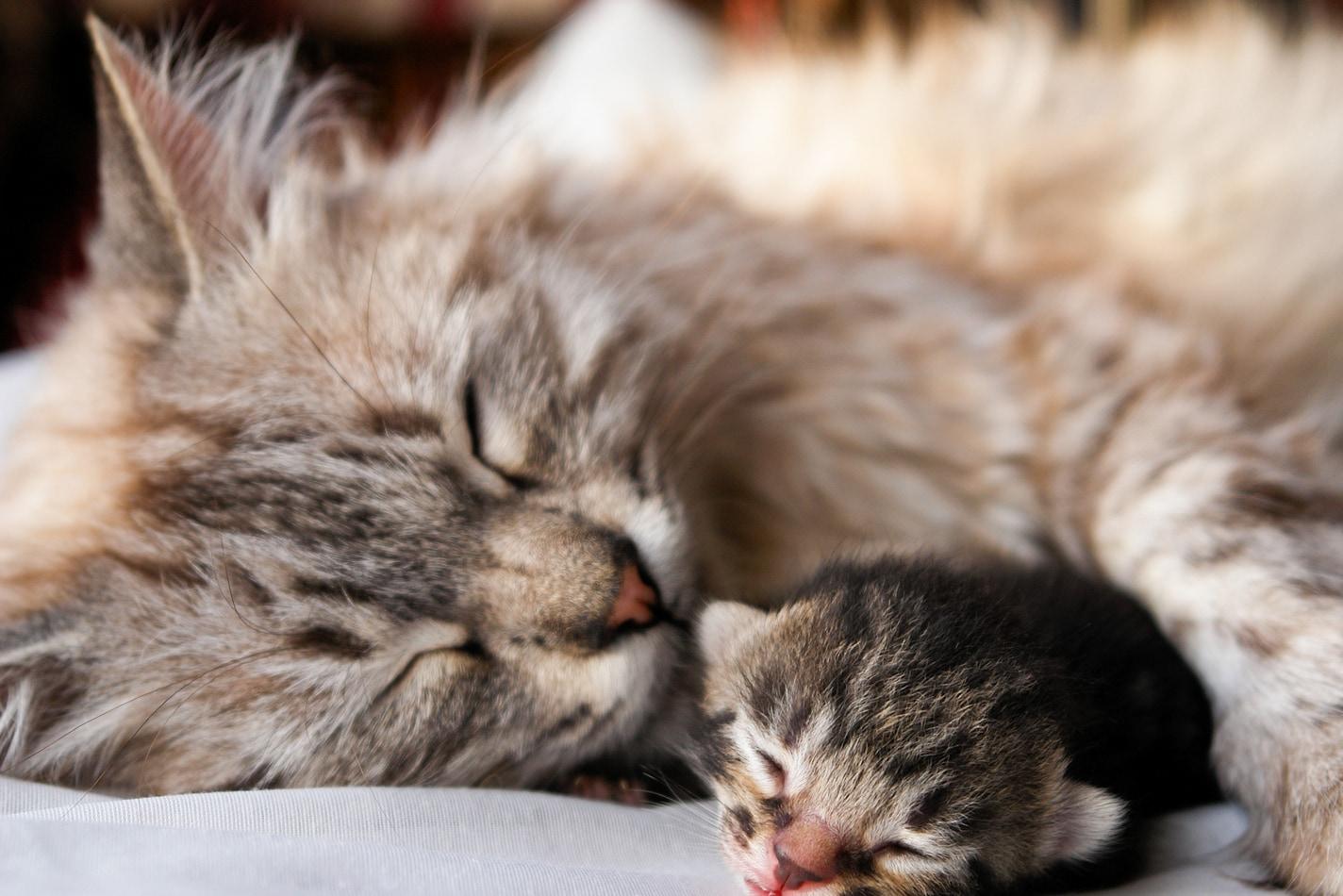 Kittens come into the world with their eyes and ears closed and spend the first week or so of their lives blind and deaf. Their eyes open during the second week, but their vision isn't very good at this point, and they'll need to be kept out of bright light, says The Spruce Pets. The blue eyes that kittens are born with may start to change colour during their third week, which is also when their ears begin to open and perk up, introducing them to a whole new world filled with sound.
Kittens have the ability to make sounds from birth, and may be heard making little mews to let their mother know they're hungry, says Catster. Purring typically begins during week three, and kittens tend to become more vocal as they start being able to walk, play and explore their surroundings.
3 – 5 Weeks: Walking and Using the Litter Box
Around three weeks of age is usually when kittens start to take their first shaky steps. While they start out wobbly and unsure, as balance begins to improve during the fourth week they become more confident and eager to explore their surroundings. This is a good time to start kitten-proofing your home if you haven't already done so.
During the fourth and fifth week of the kitten timeline, kittens are able to balance enough to go to the bathroom without any help from their mother. This is a good time to introduce them to the litter box, says Petful. Kittens typically learn what to do from watching mom, so all you really need to do is show them the box. Just keep in mind that they're still learning and accidents might happen from time to time.
6 – 8 Weeks: Socialising and First Vaccines
By five weeks of age, kittens are confident enough in their newfound mobility that they become curious and playful, making it an excellent time to start socialising them. Playing and cuddling with the kittens, introducing them to other people and pets, letting them explore their surroundings (under close supervision, of course) and experience new sights, sounds and smells will not only prepare them to go to their eventual forever homes but also help them grow into emotionally healthy, well-adjusted adult cats.
Your kitten should be taken to their first veterinarian visit during this time. The first round of vaccinations should be done between six and eight weeks on the kitten timeline. The core immunisations they need include distemper and the respiratory diseases, feline viral rhinotracheitis and feline calicivirus. Your veterinarian will place your kitten on a schedule for follow-up shots and boosters, and also discuss any additional shots for conditions they may be at risk for, including chlamydia and feline leukemia. By twelve weeks, kittens are ready to receive their first rabies vaccination.
Did you know kittens have two sets of teeth as they age, just like humans? Feline baby teeth start coming in during the second week, but your kitten should have all of their baby teeth by about eight weeks of age. By four months, their adult teeth will start to come in.


Tasty Tips
9 – 12 Weeks: Weaning and Learning Cat Skills
Kittens can be introduced to solid food during their fifth week, although they'll continue nursing for a few weeks after this. According to Tufts Cummings School of Veterinary Medicine, some vets even recommend offering Mama Kitty the same kitten food while they are nursing, since its high protein and fat content will help them recover and stay healthy. By the ninth week, your kittens will finish the transition to solid food and should be fed quality kitten food.
How much and how often they eat will depend on whether you feed them canned or dry food. Canned food should be given in small amounts four times daily until they are three months old, after which it should be cut back to three times a day, says the Cornell Feline Health Center. When kittens are six months old, you can transition them to eating twice a day. If you are giving them dry food, you can simply leave a dish of food out and allow kittens to free feed when they're hungry, but in this case you'll need to monitor their weight to make sure they're not overeating.
In between eating and snuggling, kittens that are just a few weeks old are learning one important thing: how to act like a cat. The Spruce Pets notes that kittens need to be raised by their mother or a foster cat in order to learn the basics of hunting, kitty communication, playing with fellow cats and using a litter box.

3 – 6 Months: Ready for Adoption and Neutering
Kittens shouldn't be separated from their mother and littermates until they have been fully weaned and socialised. Kittens continue learning normal cat behaviour from their mother until well into their tenth week, says Petful, so in order to give each kitten the best chance of becoming a well-adjusted cat, it's best to wait until at least ten weeks before allowing them to go to a new home. You can also wait twelve weeks to allow time for the next important round of vaccinations in the kitten timeline.
Kittens are ready to be spayed or neutered by six months of age. Many vets, however, will perform the procedure as early as eight weeks if the kitten weighs enough to safely undergo general anaesthesia.
One Year: No Longer a Kitten
By the time they reaches their first birthday, a kitten is no longer considered a kitten but is now a full-grown cat. Although they may still engage in kittenish behaviour and may still have some additional growing to do, your newly adult cat is ready to transition to a high-quality adult cat food formula. Follow the recommended feeding guidelines on your kitty's new cat food to determine how much and how often they should be fed.
Although a cat is considered an adult by one year of age, developmentally speaking, kitten adolescence typically lasts until a cat reaches eighteen months or so. During this time, a cat might still exhibit the energetic playfulness of a kitten, as well as typical "teenager" behaviour, which may include testing boundaries and acts of rebellion like scratching the furniture or marking territory. According to the kitten growth chart at Raising Happy Kittens, your kitty may become less affectionate during this time. But not to worry. Usually, cats start to mature and settle down after the eighteen-month mark, and by their second birthday your kitty will be fully grown into their adult personality.
Watching a kitten grow from a tiny newborn to a full-grown cat is a wondrous thing. Knowing what to expect as your kitten grows will empower you to help them grow into a healthy and happy companion.

Related products

Oral Care Adult Cat Food
Hill's Science Plan Oral Care Adult Cat Food with Chicken contains clinically proven kibble technology to reduce plaque & tartar build up.

Kitten Food
Hill's Science Plan Kitten Wet Cat Food Premium Chunks in Sauce with Turkey is a complete pet food for kittens and for pregnant or nursing cats

Sterilised Adult Cat Food
Hill's Science Plan Sterilised Adult Cat Premium Chunks in Sauce with Chicken is a complete pet food for sterilised cats 1–6 years old

Sterilised Adult Cat Food
Hill's Science Plan Sterilised Adult Cat Premium Chunks in Sauce with Turkey is a complete pet food for sterilised cats 1–6 years old
Related articles

Cat Poo: A Comprehensive Guide
Learn how your cat's poo can be a good indicator of her overall health, including how to spot unhealthy or abnormal cat poop and what it might mean.

Helping a Cat with Sensitive Skin
Cats with sensitive skin have special needs and even healthy cats can sometimes develop poor skin health. Learn more about sensitive skin symptoms in your cat, what you can do to help your pet feel more comfortable and get recommendations on sensitive skin cat food.

Is your cat putting on weight?
Learn about the warning signs, symptoms, and treatments of cat obesity and weight management in cats and the conditions that affect on your cat.

Cat Eye Care: Recognizing and Preventing 6 Cat Eye Problems
Learn about common eye problems in cats, such as conjunctivitis and corneal ulcers, as well as their causes, symptoms and treatment options

Put your cat on a diet without them knowing
Our low calorie formula helps you control your cat's weight. It's packed with high-quality protein for building lean muscles, and made with purposeful ingredients for a flavorful, nutritious meal. Clinically proven antioxidants, Vitamin C+E, help promote a healthy immune system.
Put your cat on a diet without them knowing
Our low calorie formula helps you control your cat's weight. It's packed with high-quality protein for building lean muscles, and made with purposeful ingredients for a flavorful, nutritious meal. Clinically proven antioxidants, Vitamin C+E, help promote a healthy immune system.