


Many cat owners have opted in recent years to keep their cats indoors. This is understandable as the dangers of road traffic accidents are all too real in both rural and urban locations. But indoor living can be hazardous too. Weight gain due to inactivity or behavioural problems due to lack of stimulation are easily solved through feeding the right foods and providing toys and games that keep cats active and interested. But how else can you ensure that your indoor cat is kept safe and sound?
Safe Surroundings
Houseplants can present significant dangers to cats who are tempted to chew on leaves or flowers particularly. The part of the plant that is actually eaten can make a big difference to how a cat will be affected: daffodil bulbs for example are a common cause of poisoning in dogs but the leaves and flowers (which a cat is more likely to chew) are a much less common cause of poisoning. To be safe, daffodils and lilies are probably best avoided as they are one of the most common causes of plant poisonings in pets. It is also important to remember that fresh flower bouquets can also be eaten - Lily of the Valley for instance is toxic to cats.


Tasty Tips
The root of the problem
Your cat does not need to swallow a plant to be harmed, as some plants such as Joseph's Coat (Croton), have toxic sap that is released when the plant is chewed, causing blistering of the mouth. However, the risks do have to be kept in proportion. In some cases the toxic reaction to plants can be very mild and in others it is 'self limiting' meaning that the cat will recover on its own. It is also not uncommon to see huge lists of houseplants that can cause poisoning in cats. In reality, the majority of cats will find most of these plants unattractive or uninteresting. Cyclamen for instance is often included in these lists but it is only the root that is poisonous and few cats are likely to find them so attractive that they will dig down and eat sufficient quantities to trigger a reaction.
Hot Tips
Avoid buying houseplants that are known to cause toxic reactions in either children or pets - if they present a danger to children, they probably present a danger to cats
If your cat eats a significant quantity of any houseplant or a little of a known toxic plant, or shows salivating or distress after chewing a plant, contact your vet straight away
Consider placing silver foil or cling film around the base of your houseplants - this makes digging around the roots of the plant unattractive.
Ensure your cat always has plenty of fresh water available (to avoid the temptation to chew leaves for moisture)
Offer toys, timed meals from automatic dishes, or a wind chime outside the window, to keep your cat amused when you are out, because boredom can lead to plant chewing.
The Most Common House Plant Poisons
Azalea
Lillies including Easter Lily, Day lily (Hemerocallis), Tiger lily
Croton (Joseph's Coat)
Daffodils (Narciccus species)
Caladium
Dieffenbachia (Dumbcane)
Ficus (rubber plants, weeping and variegated fig plants)
Philodendron
Monstera (Swiss Cheese Plant)
Oleander
Poinsetta
Christmas Cherry
Holly berries
For more information visit the Royal Horticultural Society

Related products
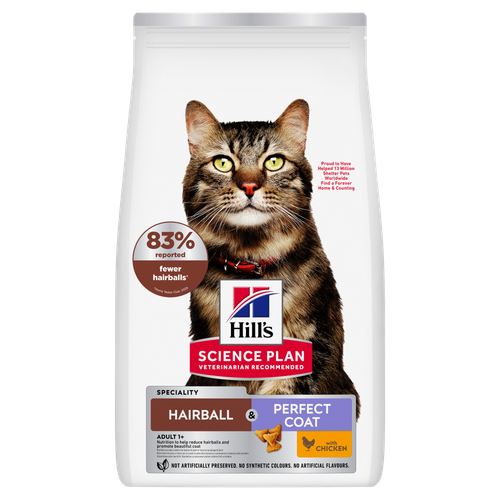
Hairball & Perfect Coat Adult Cat Food
HILL'S SCIENCE PLAN Hairball & Perfect Coat Adult cat food with Chicken was formulated to effectively help avoid hairball formation in adult cats while promoting a beautiful coat. Thanks to its mix of essential Omega-6 fatty acids, this food benefits the cat's skin and fur, mantaining them healthy and shiny. Our Advanced Fibre Technology helps reduce hairballs by naturally promoting their passage through the gut. This food is formulated with high-quality protein for a perfectly balanced, great-tasting recipe.
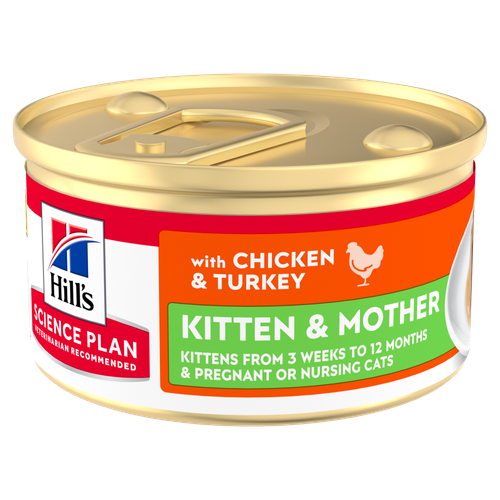
Kitten & Mother Tender Mousse Cat Food
Hill's Science Plan Kitten & Mother Tender Mousse Cat Food with Chicken & Turkey is a complete premium pet food for kittens from weaning until 1 year old and for pregnant and nursing cats. Formulated with chicken, turkey and other specially selected ingredients to support gut health and optimal growth. It comes in a soft mousse texture they'll love.
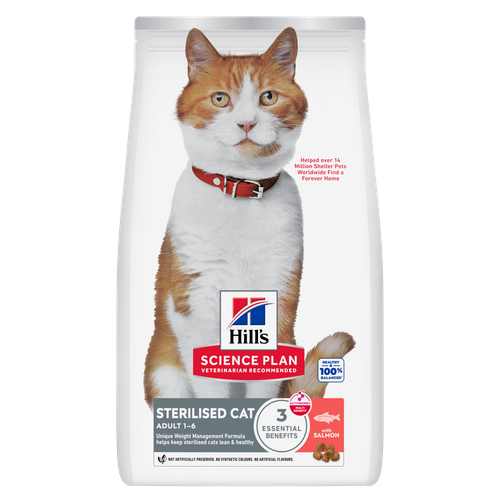
Sterilised Adult Cat Food
Hill's Science Plan Adult Sterilised Cat Dry Food with Salmon is specially formulated with ActivBiome+ Multi-Benefit Technology. It is a precisely balanced nutrition, tailored to meet the needs of sterilised cats, to help keep sthem lean & healthy.
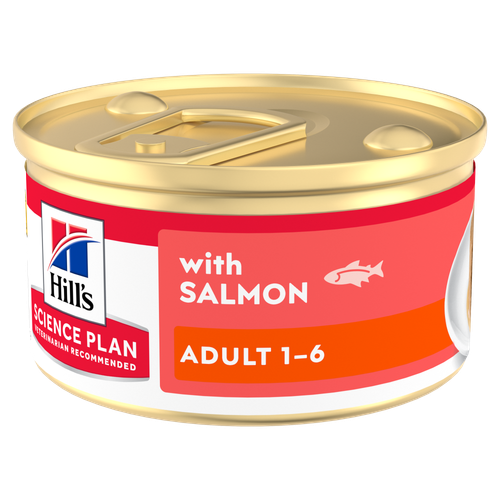
Adult Cat Food
Hill's Science Plan Adult Cat Premium Mousse with Salmon is a complete and balanced pet food for adult cats aged 1-6 years, with a deliciously smooth texture they'll love
Related articles

Is your cat putting on weight?
Learn about the warning signs, symptoms, and treatments of cat obesity and weight management in cats and the conditions that affect on your cat.

Helping a Cat with Sensitive Skin
Cats with sensitive skin have special needs and even healthy cats can sometimes develop poor skin health. Learn more about sensitive skin symptoms in your cat, what you can do to help your pet feel more comfortable and get recommendations on sensitive skin cat food.

Cat Poo: A Comprehensive Guide
Learn how your cat's poo can be a good indicator of her overall health, including how to spot unhealthy or abnormal cat poop and what it might mean.

Cat Eye Care: Recognizing and Preventing 6 Cat Eye Problems
Learn about common eye problems in cats, such as conjunctivitis and corneal ulcers, as well as their causes, symptoms and treatment options

Put your cat on a diet without them knowing
Our low calorie formula helps you control your cat's weight. It's packed with high-quality protein for building lean muscles, and made with purposeful ingredients for a flavorful, nutritious meal. Clinically proven antioxidants, Vitamin C+E, help promote a healthy immune system.
Put your cat on a diet without them knowing
Our low calorie formula helps you control your cat's weight. It's packed with high-quality protein for building lean muscles, and made with purposeful ingredients for a flavorful, nutritious meal. Clinically proven antioxidants, Vitamin C+E, help promote a healthy immune system.