


As a pet parent, one of your jobs is to ensure that your cat drinks enough water to stay healthy. If you notice that your furry friend isn't making regular trips to their bowl, it's time to find out why your cat isn't drinking water.
To paraphrase a popular saying, you can lead a cat to water, but you can't make them drink (or do anything they don’t want to, really). However, once you determine that they aren’t sipping often enough, there are a few ways to get your cat to drink water.

How Much Water Is Enough?
In order to stay hydrated, your cat needs around-the-clock access to fresh drinking water. Keep their bowl clean and fill it regularly, especially if it's placed near their food dish, as they may drop a few food crumbs into their drinking bowl.
But how much water per day does she actually need? Not as much as you might think.
"Cats don't drink as much per kilogram of body weight as do dogs," explains the Committee on Nutritient Requirements of Dogs and Cats. Therefore, the amount of water your cat needs varies with the food they eat and their environment. The committee notes that cats usually drink about an ounce of water for every half ounce of dry food they eat. Wet food, on the other hand, provides your kitty with food and moisture at once and can help them stay hydrated.
Why Is My Cat Not Drinking Water?
To avoid the complications of dehydration and to know how to encourage your cat to drink more water, you first need to determine why your cat isn't drinking enough.
In the absence of serious medical issues, start with the basics. Is their water clear of food, hair, dust bunnies and other debris? Your fur baby requires and desires clean water, so wash their bowl and replace their water at least once a day, if not more.
It's worth noting that some cats simply don't like where their water dish is located, explains Dr. Debora Lichtenberg, VMD in Petful. They tried a few at-home "experiments" to see if changing up the placement of the bowl made a difference in whether or not their own cats drank water. In their case, moving it away from food bowls did the trick. Try this manoeuvre at home to see if your kitty is being fussy about their water bowl real estate.
The Physics of Kitty Sips
Keep in mind, too, that your feline friend isn't going to lap up a large quantity of water at one time. Unlike your happily slurping dog, the way your cat drinks has its own complex pattern, notes MIT News. Rather than scooping like a ladle, a cat's tongue barely brushes the surface of the water before drawing back up into their mouth. The rapid dipping action creates a tiny column of water that they snap up by closing their mouth before gravity can make it drop back into the bowl. It's difficult to see this line of liquid without capturing it on high speed film since they can complete four of these tongue dips per second — all while keeping their chin dry!
So don't worry if your kitty isn't gulping down water like a champ and sloshing it all over the place. They have their own delicate way of doing things. Sometimes, cats even daintily dip their paw into the bowl and lick off the water. As long as they are drinking a few sips a day and getting moisture in their diet, they are good to go.


Tasty Tips
How Do I Know if My Cat Is Dehydrated?
When a cat doesn't consume enough water, they are at risk for dehydration. "Dehydration occurs when the normal body fluids, including water and electrolytes, fall below required needs," describes Petcha, causing problems in their energy, skin and organ function. A cat not drinking water isn't always the cause for dehydration, but often it's a fairly common reason or symptom of dehydration.
Causes
A A cat can become dehydrated by not drinking enough water or urinating more than they’re ingesting, or, in extreme situations, because of vomiting or blood loss. Kidney disease, heat stroke and diabetes can all be related to dehydration, says Preventive Vet. Your cat also has an increased risk if they are elderly or living with thyroid problems.
Symptoms
One easy way to identify dehydration in your cat is to check for loose skin, or "tenting." Plop your cat into your lap and gently lift up the skin on the back of their neck. In a hydrated kitty, the flap of skin will snap back into place. If it stays up in a fold or is slow to fall back, they likely need more fluids.
Additional symptoms to watch out for include weakness, loss of appetite, panting, drooling, elevated heart rate, weak pulse, dry or sticky gums, trembling, excessive urination or infrequent urination. Contact your veterinarian right away if your cat shows any of these signs. Just like a human chugging a sports drink after running around a soccer field, Petcha notes that a cat with these signs may be missing critical electrolytes such as sodium.

How Do I Get My Cat to Drink More Water?
Is your cat not drinking water, even after ruling out medical concerns and other issues? You may have to dig into your bag of cat tricks. There are a few ways to get your cat to drink water.
If you haven't already noticed in your tenure as a pet parent, cats can be very particular about things. If your cat won't drink out of a water bowl, try a water fountain that offers them the benefit of continually fresh water and the bonus of splashing it around. A cat fountain also saves water (and money on your water bill) because you don't have to leave your bathroom tap running. Some cats also don't like the idea of still water. It goes back to their ancestral instincts that running water is safer to drink.
Changing up your kitty's environment may urge them to drink more water, suggests Animal Planet. One way to do this is to offer your cat multiple drinking stations: place water dishes around the house, including in places that will be new and might make them curious. A variety of bowl materials like ceramic, metal and glass may also encourage them to taste-test and investigate.
As mentioned earlier, eating wet food will help to hydrate your cat. According to Boston Street Animal Hospital, dry food is only about 10 percent water, but wet food can be up to 70 percent liquid. Consider Hill's Science Plan varieties that might suit their flavour preferences. If your cat doesn't care for canned food, you can add water to dry kibble or combine wet and dry food in the same dish.
By providing your cat with the essentials of proper nutrition and fresh, clean drinking water, you can help her have the juice to spring and pounce another day.

Related products
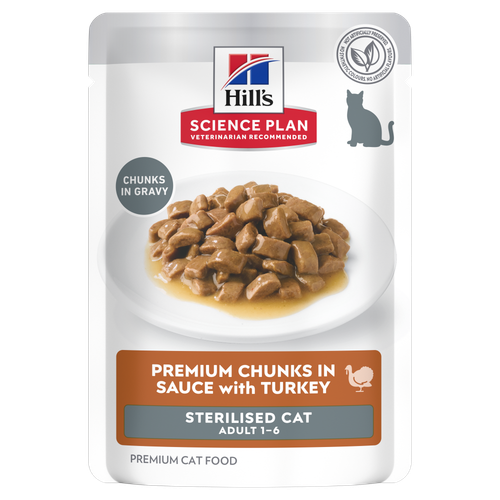
Sterilised Adult Cat Food
Hill's Science Plan Sterilised Adult Cat Premium Chunks in Sauce with Turkey is a complete pet food for sterilised cats 1–6 years old
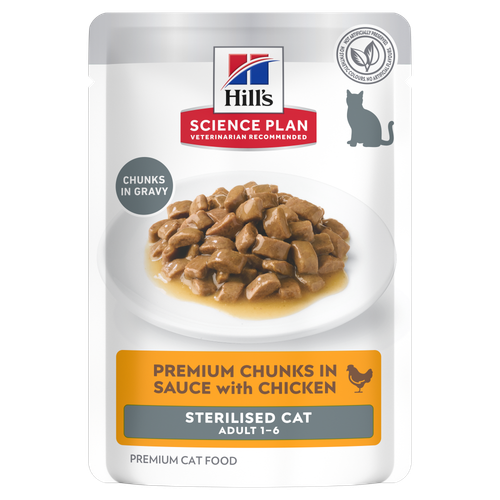
Sterilised Adult Cat Food
Hill's Science Plan Sterilised Adult Cat Premium Chunks in Sauce with Chicken is a complete pet food for sterilised cats 1–6 years old
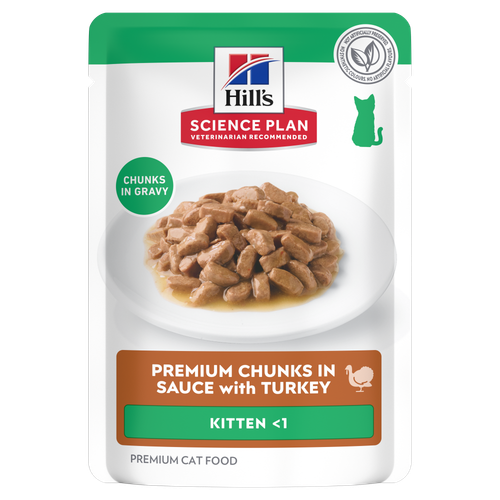
Kitten Food
Hill's Science Plan Kitten Wet Cat Food Premium Chunks in Sauce with Turkey is a complete pet food for kittens and for pregnant or nursing cats
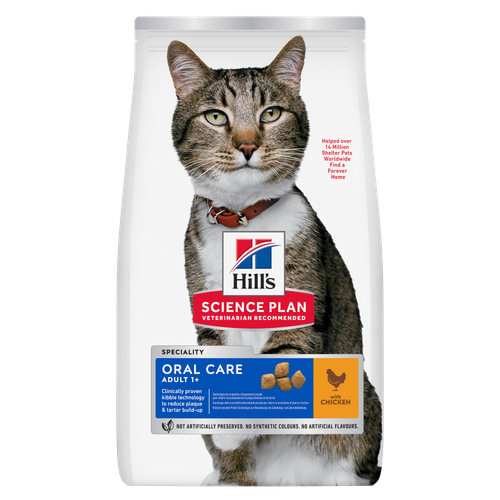
Oral Care Adult Cat Food
Hill's Science Plan Oral Care Adult Cat Food with Chicken contains clinically proven kibble technology to reduce plaque & tartar build up.
Related articles

Is your cat putting on weight?
Learn about the warning signs, symptoms, and treatments of cat obesity and weight management in cats and the conditions that affect on your cat.

Helping a Cat with Sensitive Skin
Cats with sensitive skin have special needs and even healthy cats can sometimes develop poor skin health. Learn more about sensitive skin symptoms in your cat, what you can do to help your pet feel more comfortable and get recommendations on sensitive skin cat food.

Cat Eye Care: Recognizing and Preventing 6 Cat Eye Problems
Learn about common eye problems in cats, such as conjunctivitis and corneal ulcers, as well as their causes, symptoms and treatment options

Cat Poo: A Comprehensive Guide
Learn how your cat's poo can be a good indicator of her overall health, including how to spot unhealthy or abnormal cat poop and what it might mean.

Put your cat on a diet without them knowing
Our low calorie formula helps you control your cat's weight. It's packed with high-quality protein for building lean muscles, and made with purposeful ingredients for a flavorful, nutritious meal. Clinically proven antioxidants, Vitamin C+E, help promote a healthy immune system.
Put your cat on a diet without them knowing
Our low calorie formula helps you control your cat's weight. It's packed with high-quality protein for building lean muscles, and made with purposeful ingredients for a flavorful, nutritious meal. Clinically proven antioxidants, Vitamin C+E, help promote a healthy immune system.